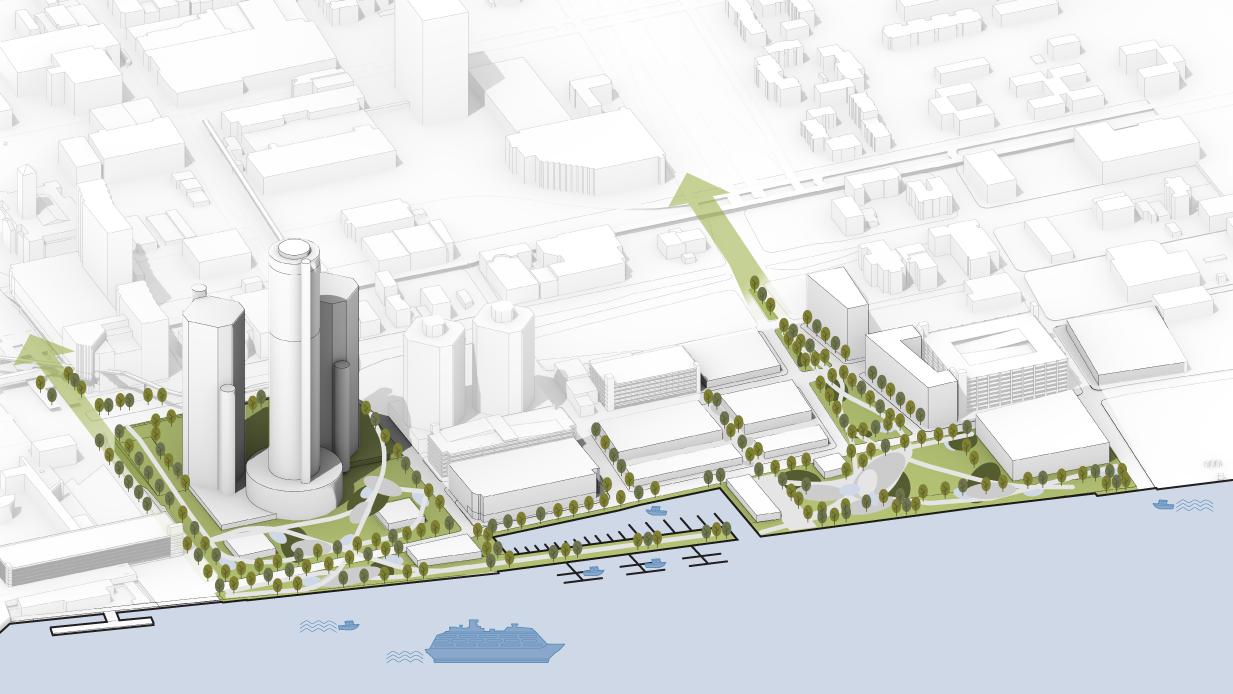
Transforming 35+ acres.

Today, much of the site is made up of parking lots and underused properties.

The plan will turn the 35+ development site acres into:

The vision features over 3,400 parking spaces, with a highly walkable, mixed-use environment with family-friendly, accessible commercial and cultural destinations.

Visit the East Riverfront Community Hub at 521 Atwater Street, Detroit MI 48226 or take the survey and tell us what you'd like to see on the east riverfront.

A right-facing arrow in orange.
A rendering concept of the reimagined Detroit east riverfront development with no colored buildings.
RECONNECTING COMMUNITIES PROJECTINTERCHANGEDETROIT RIVERRANDOLPH STREETSCAPE PROJECT
Please click or tap on a color (above) or category to learn more.

A Chance to Live by the River and Stay Connected to the City.

Homes for people with different incomes, including affordable homes, is a key part of what will make the east riverfront community oriented instead of a visiting place. Bringing residential life to the waterfront helps create daily activity, stronger connections to the area and a sense of belonging that grows over time.

A Place to Gather, Celebrate and Stay a Little Longer.

The east riverfront is envisioned as a place where everyday moments and big-city events can happen side by side. With events and entertainment as part of the broader plan, the area can welcome overnight guests, support local celebrations and create more reasons for people to spend an afternoon, evening, or full weekend on the waterfront.

A Place to Work, Connected to the River.

Office spaces at the east riverfront will bring more energy and activity to the waterfront throughout the day. Designed to connect workers with dining, recreation, green space, and downtown, these workplaces will help create a vibrant, mixed-use neighborhood built for everyday Detroit life.

A Place to Meet, Eat and Explore.

The east riverfront will bring together dining, neighborhood shops, and everyday services that make the waterfront more useful, welcoming and full of life. Whether meeting friends for coffee, grabbing a meal after a walk, or discovering a local shop, these experiences will give Detroiters more reasons to visit and stay awhile.

More than Parking: A Walkable Riverfront Destination.

The vision features over 3,400 parking spaces, with a highly walkable, mixed-use environment with family-friendly, accessible commercial and cultural destinations.

A Riverfront for Everyone.

The east riverfront will welcome everyone, with spaces and experiences that make the waterfront feel approachable and fun. Playgrounds, outdoor activity, open space and community-focused programming can all help create a place where families build memories together.

A Riverfront Designed for Detroiters.

At its core, the east riverfront is about creating a place where people feel connected — to the water, to the city and to one another. The goal is not only to add new destinations, but to help shape a part of Detroit where people gather and create new traditions by the river.

From industry to everyday access.

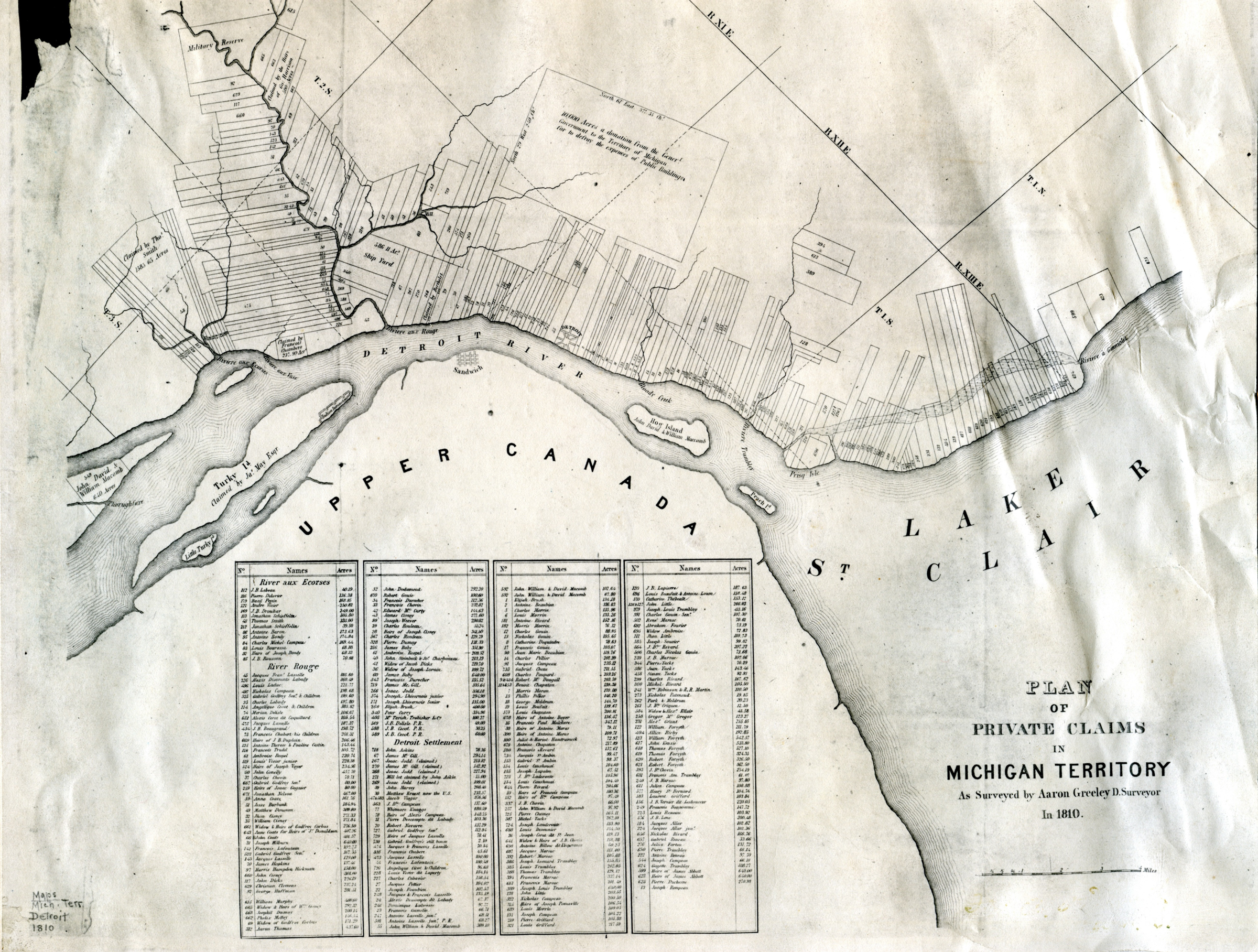
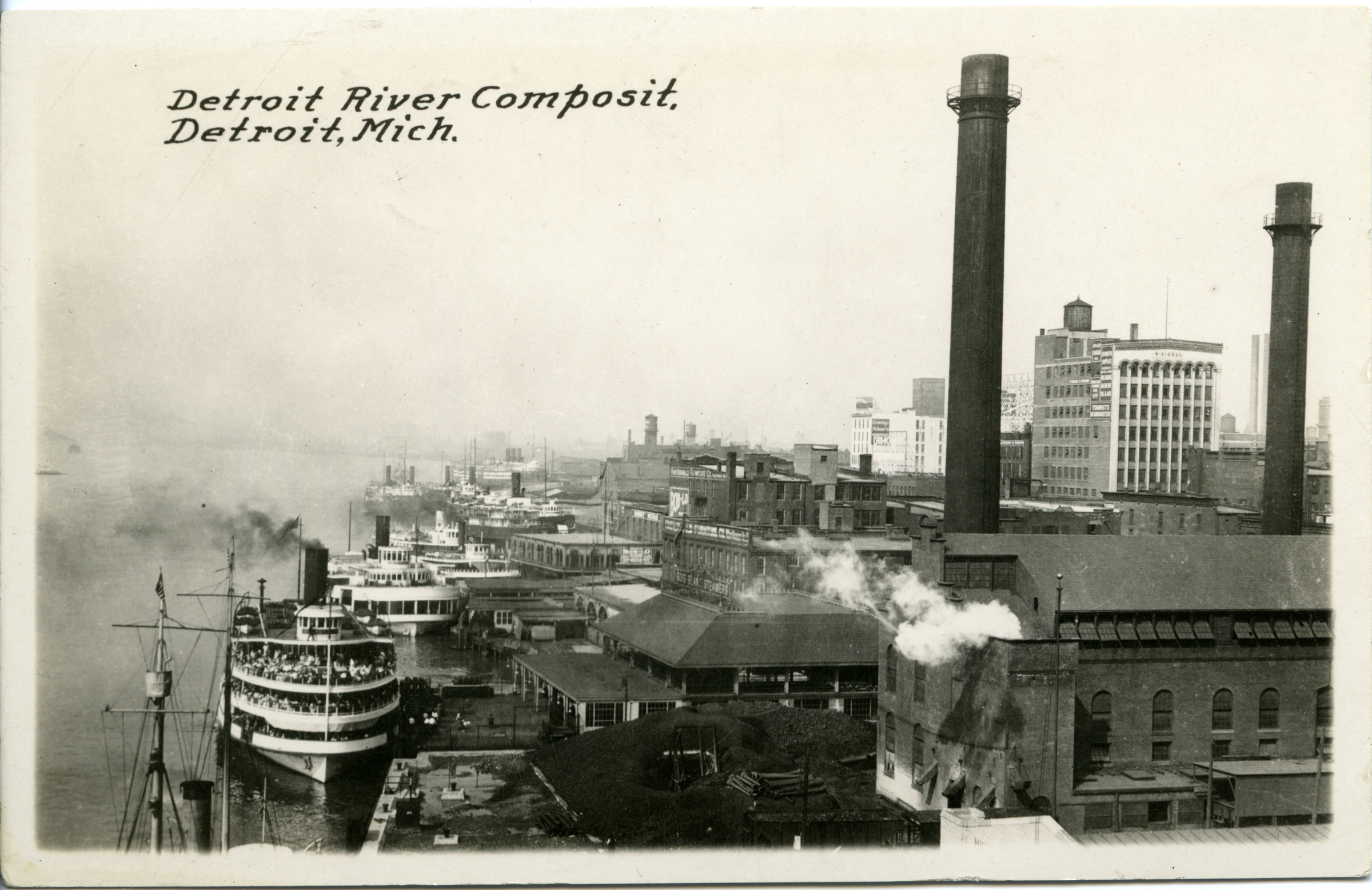
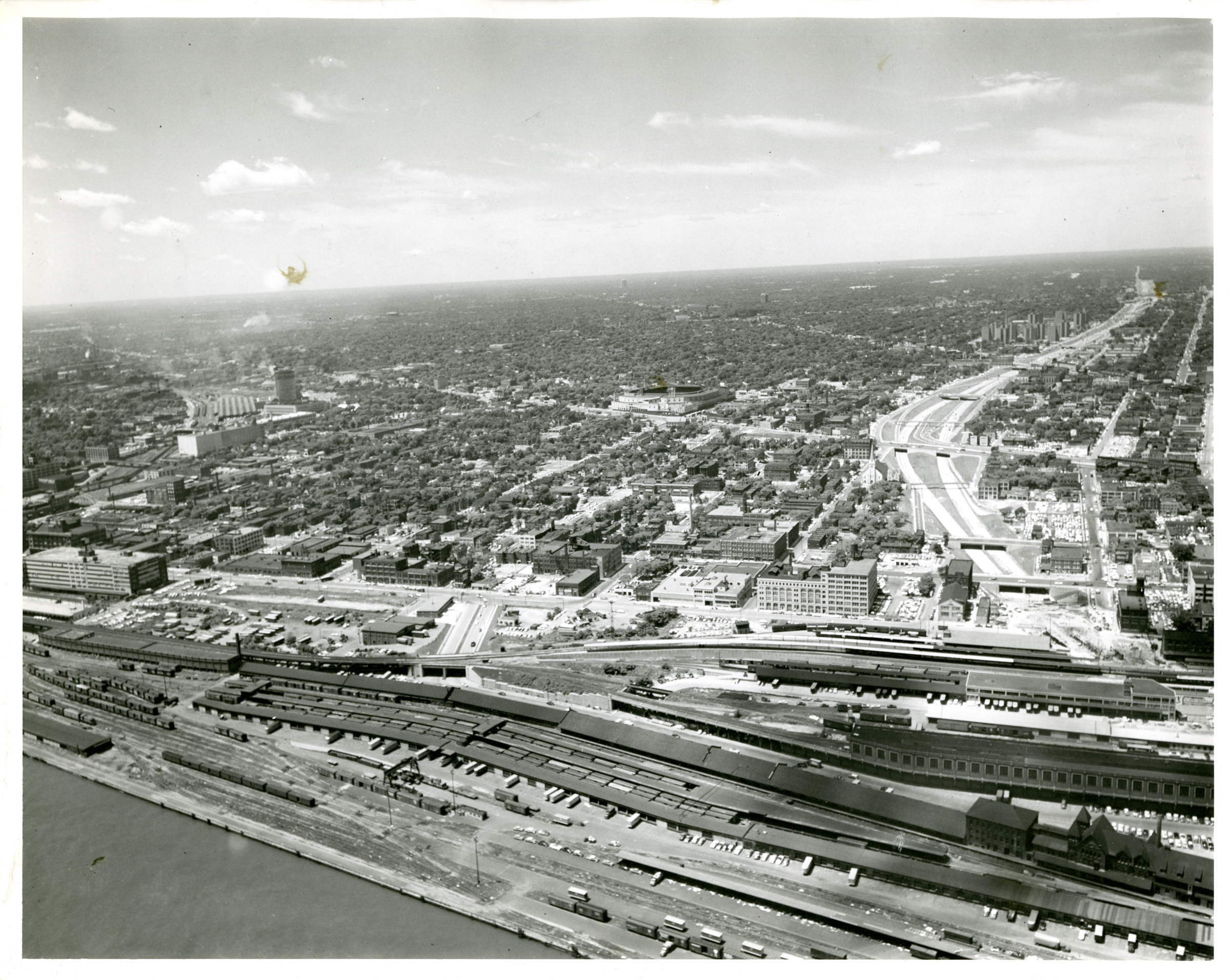
The east riverfront has long been shaped by industry, rail yards and warehouses that limited everyday Detroiters’ access to one of the city’s greatest natural assets: the Detroit River. As the working waterfront quieted and large sites sat vacant or underused, this historic district emerged as a powerful opportunity to reconnect neighborhoods to the water and reclaim the shoreline as shared public space for the community.

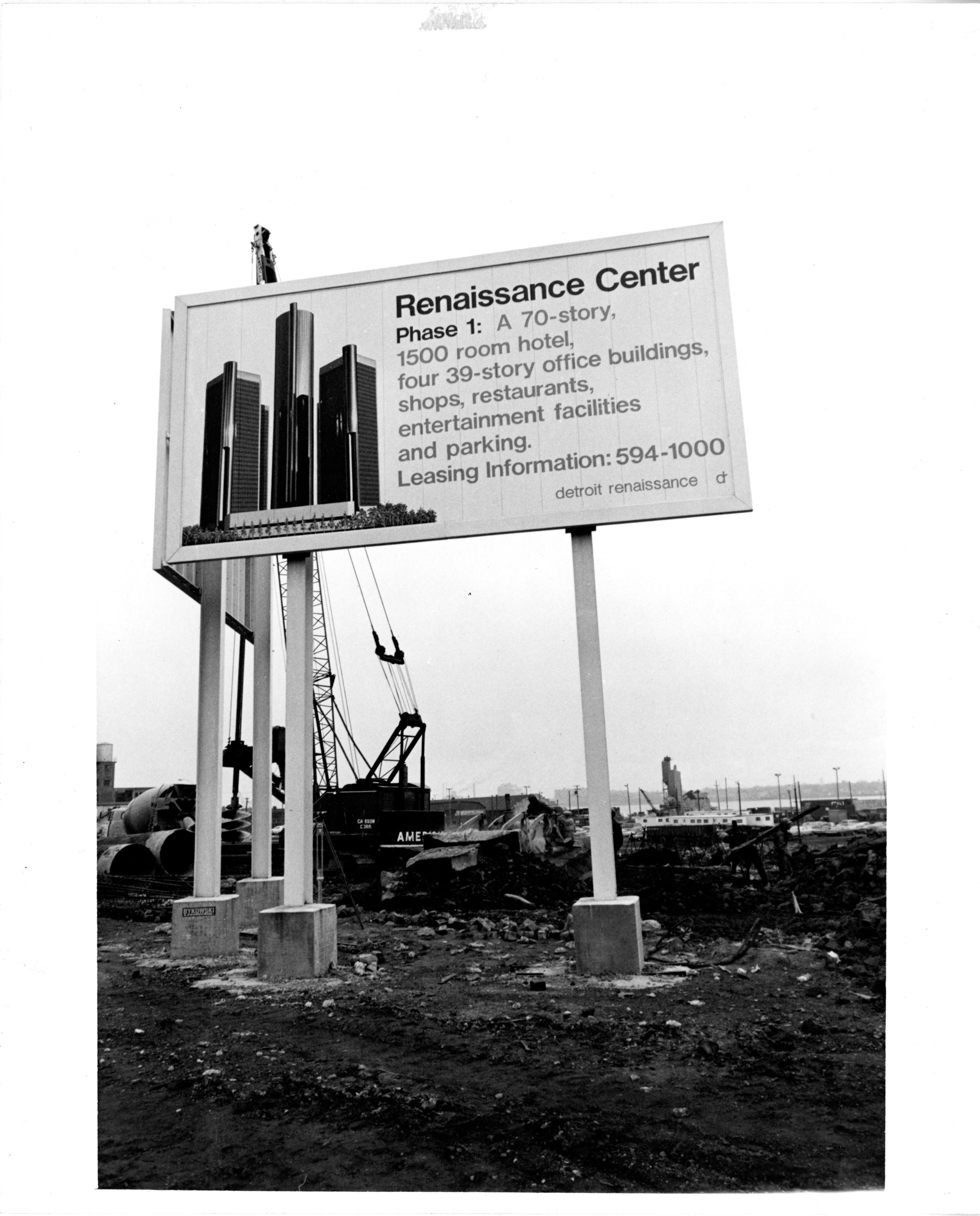
Historical photo from 1971 of a sign announcing the Renaissance Center in downtown Detroit.
In 1971, civic leaders led by Henry Ford II launched the Detroit Renaissance initiative, introducing plans for the Renaissance Center as a bold, privately funded anchor for downtown’s revival. During the 1980’s and 1990’s, Detroit’s riverfront remained dominated by industrial remnants, corporate campuses and vacant land, even as population loss and economic decline continued. Photo credit: Detroit Historical Society
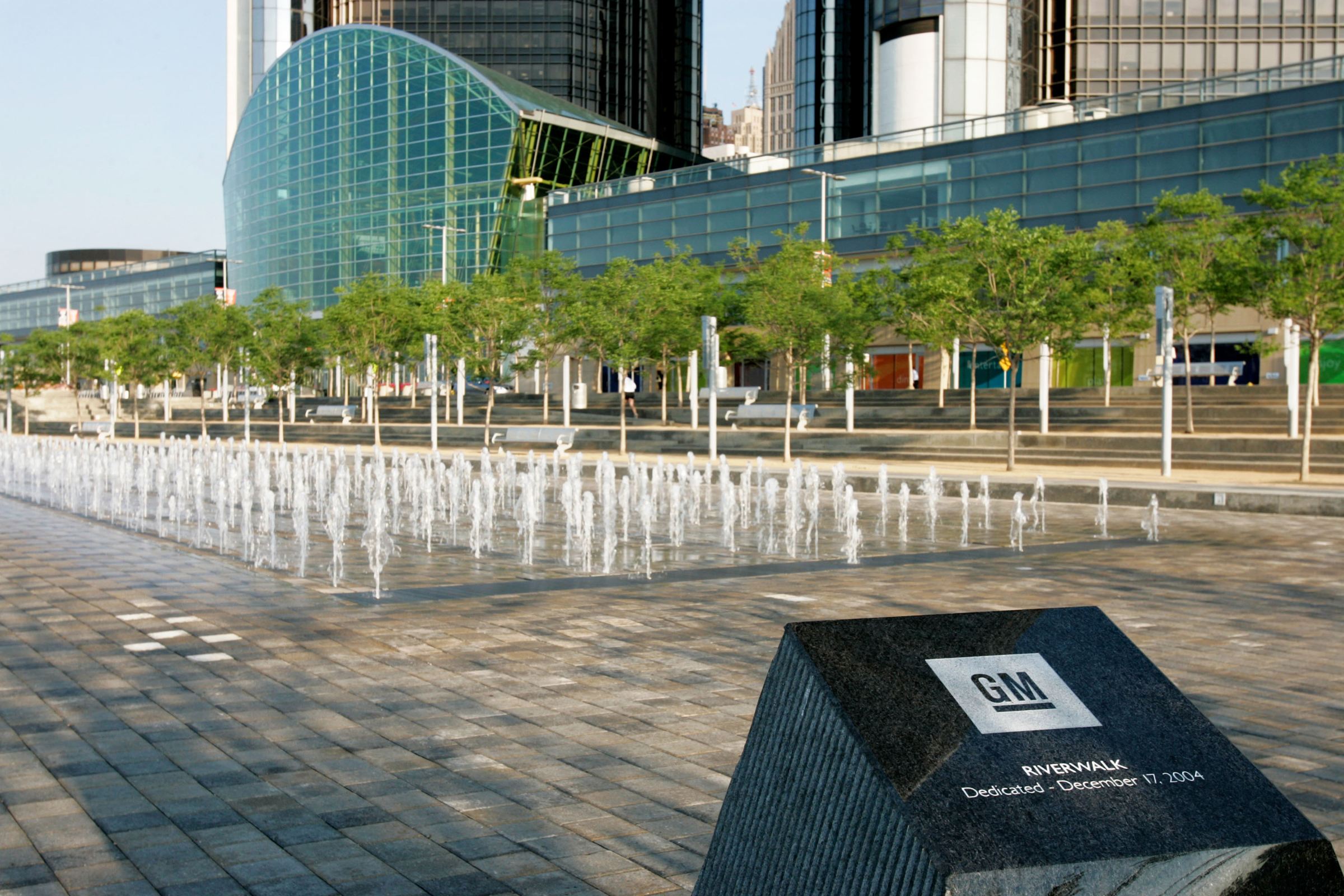
Exterior photo of Cullen Plaza at the Renaissance Center, featuring a dedication plaque by GM.
In the 2000’s, city planners, nonprofits and private partners began to reimagine Detroit’s riverfront as a continuous public realm rather than a series of disconnected, underutilized parcels. Early efforts focused on stitching together key spaces like Cullen Plaza and the Renaissance Center’s riverfront plaza — introducing gathering areas, public programming and improved access that invited people back to the water’s edge. Photo credit: General Motors
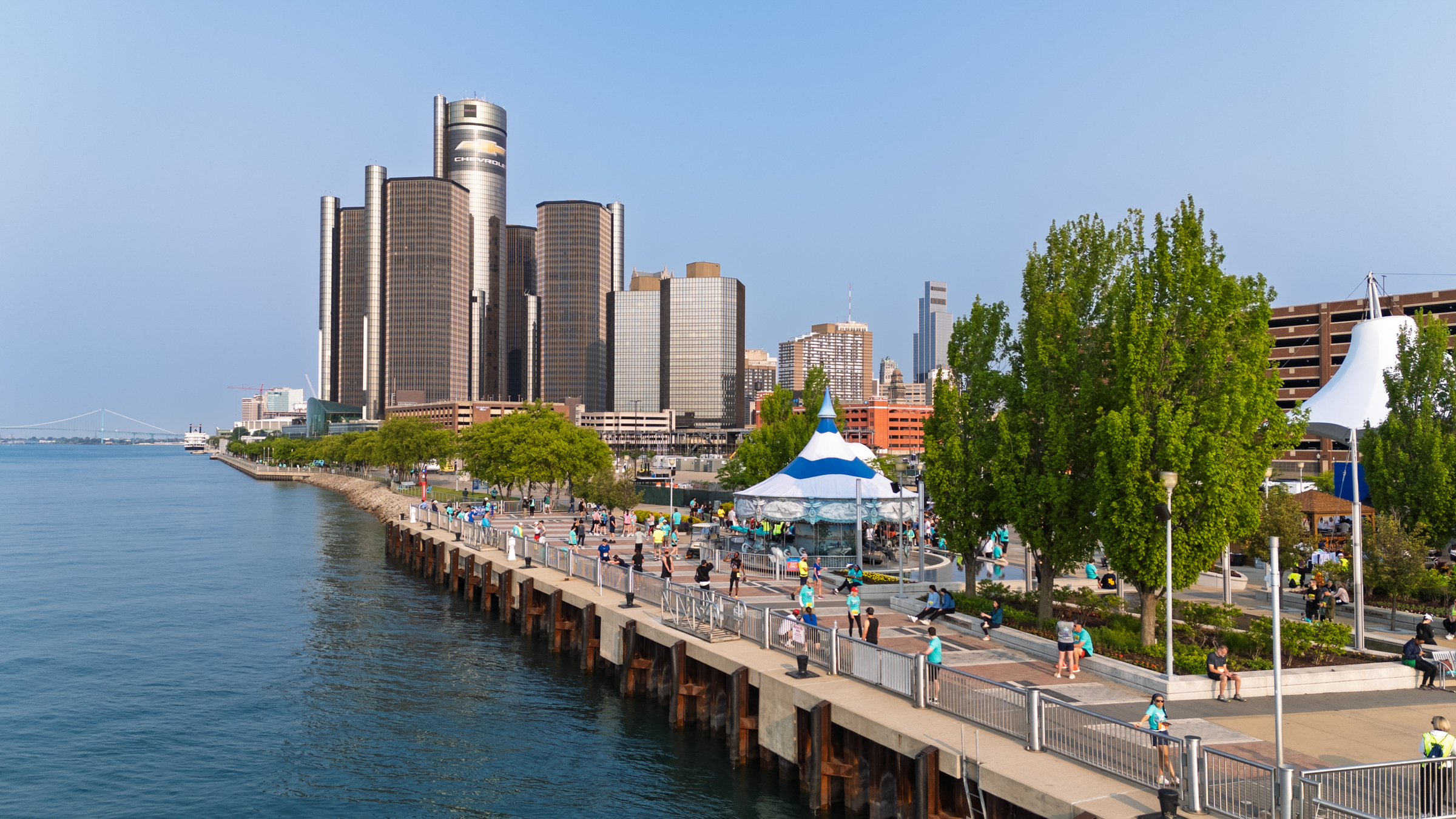
Exterior photo of the Detroit riverfront, facing east to west, featuring the Renaissance Center in the background.
Founded in 2003, the Detroit Riverfront Conservancy set out to open 5.5 miles of shoreline from the Ambassador Bridge to just past the Belle Isle bridge, transforming an unwelcoming industrial wasteland into a continuous RiverWalk with parks and public spaces. Photo credit: Detroit Riverfront Conservancy
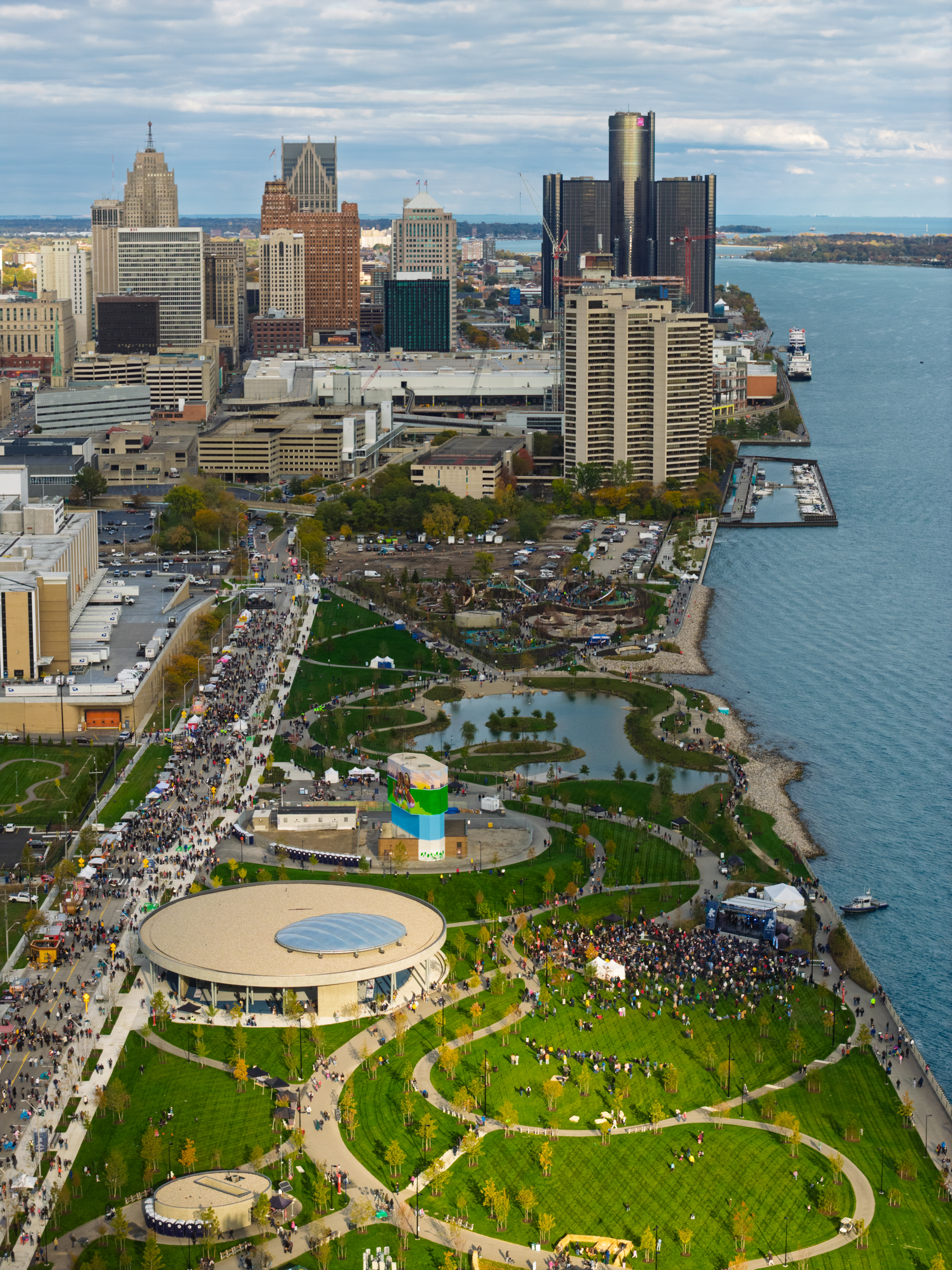
Aerial photo of the Detroit riverfront, facing west to east with various public spaces, featuring Ralph C. Wilson park.
Working alongside the City of Detroit, Detroit Economic Growth Corporation, foundations, private developers and community groups, the Conservancy has helped attract over a billion dollars in investment and millions of annual visitors, transforming the riverfront into an everyday gathering place for Detroiters while laying the groundwork for its next chapter of growth. Photo credit: Detroit Riverfront Conservancy

What great waterfronts can teach us.

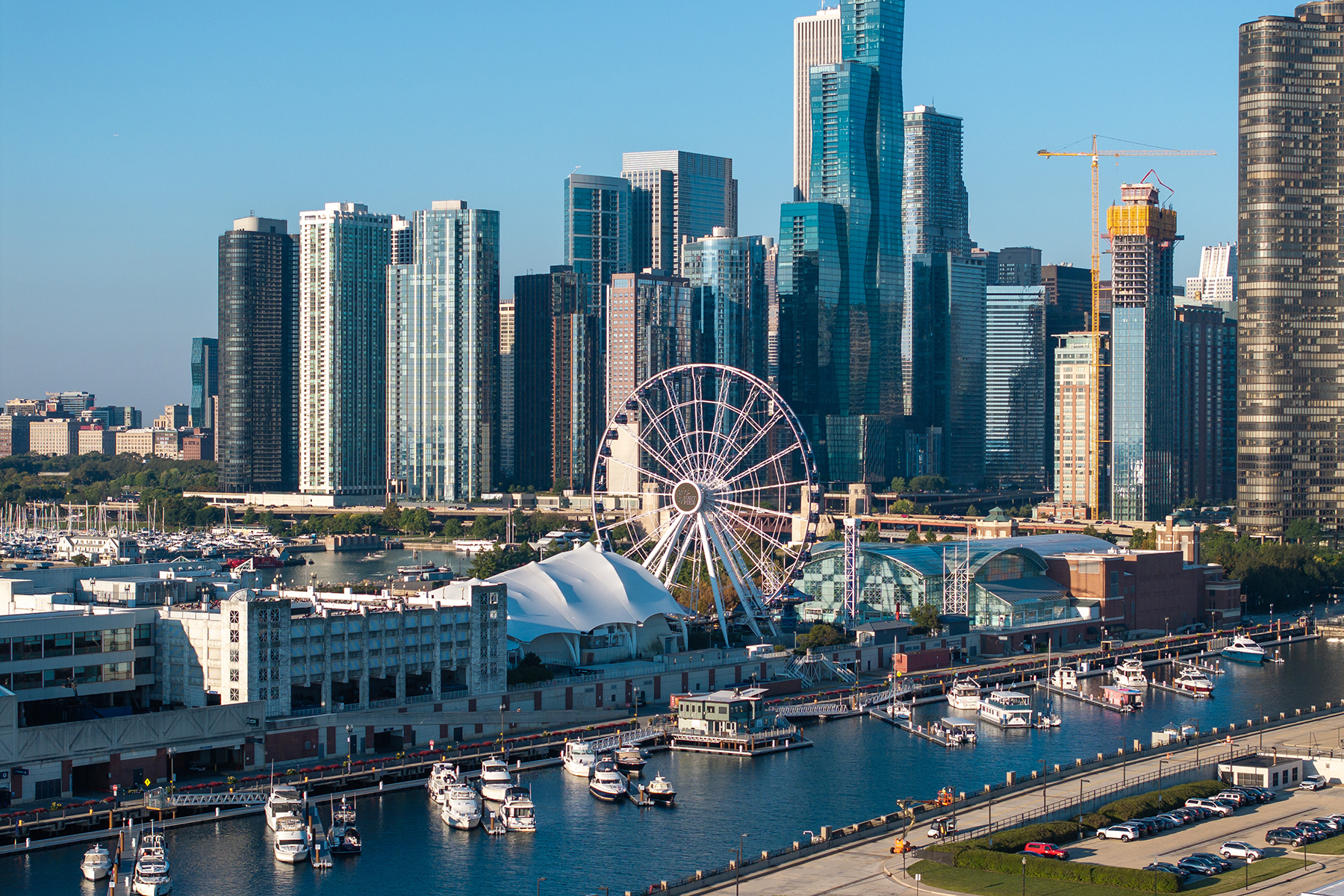
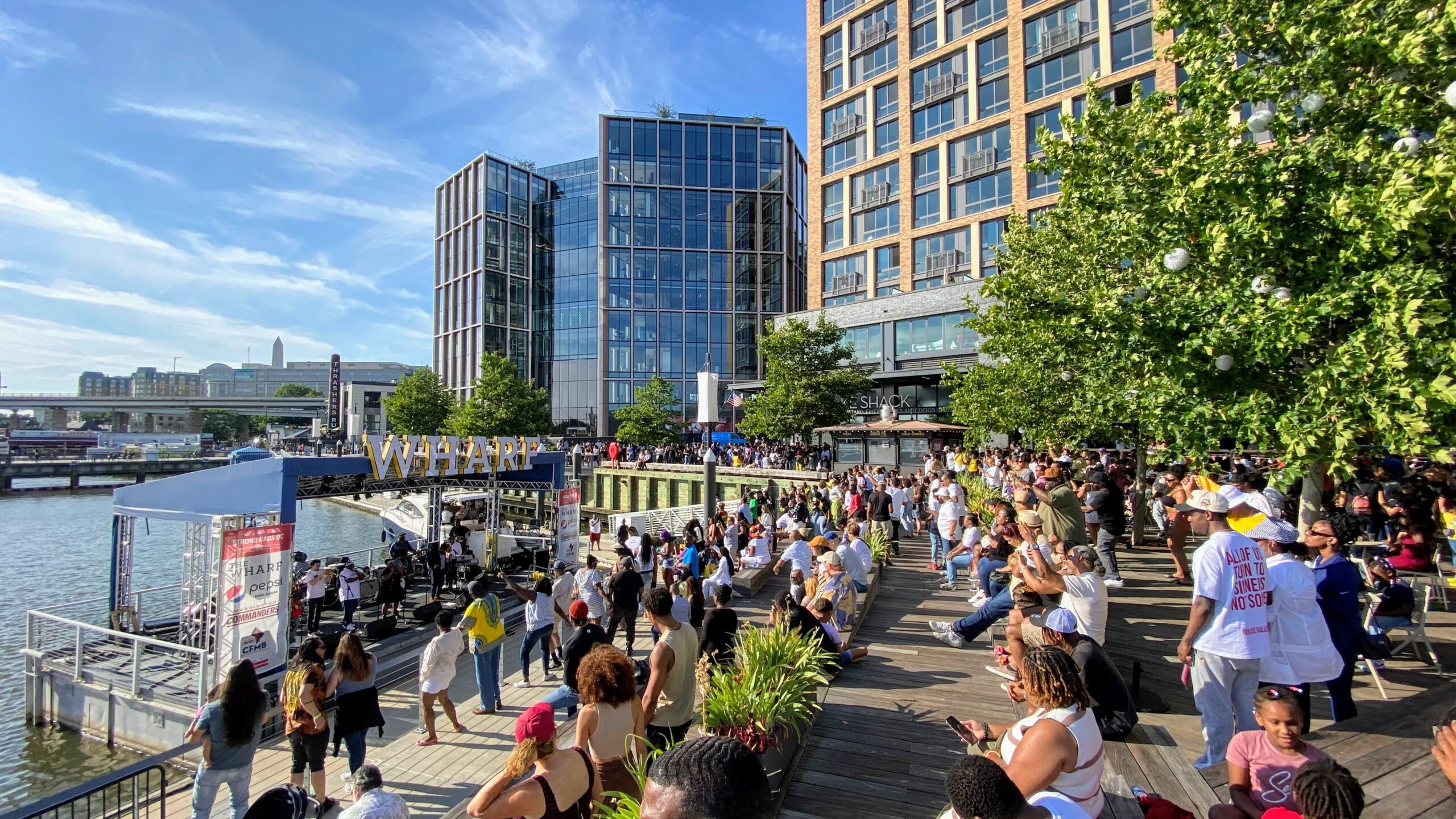
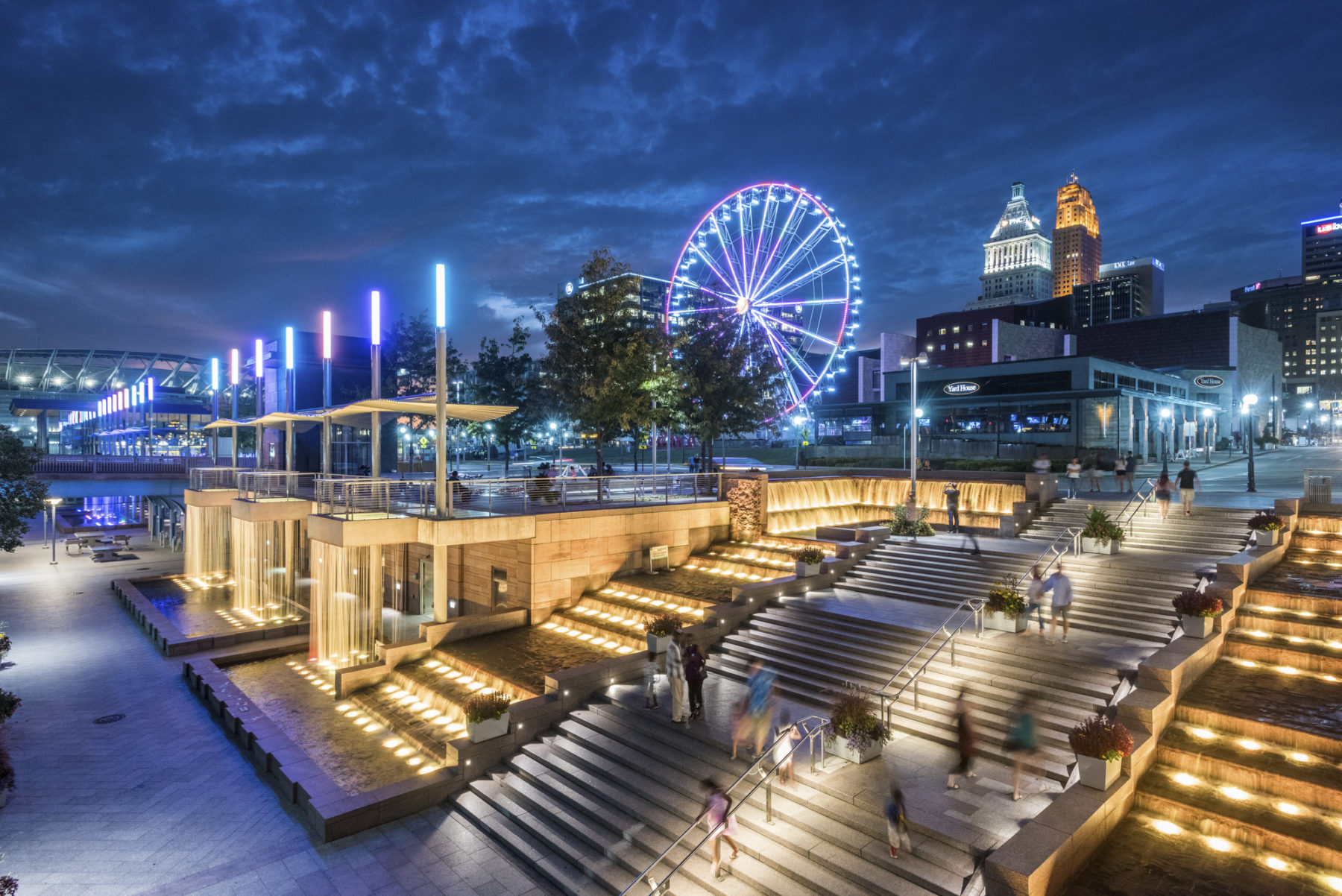
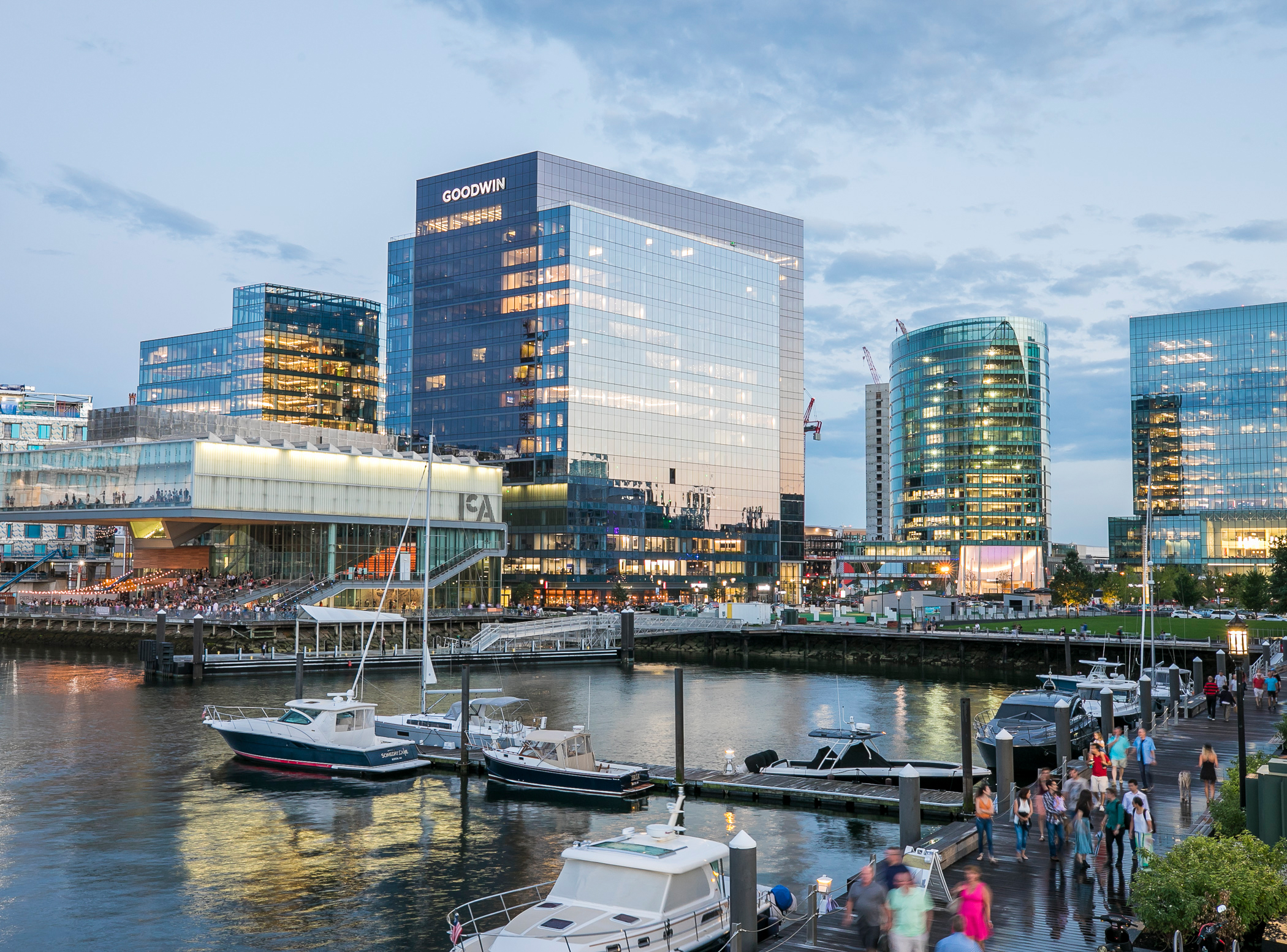
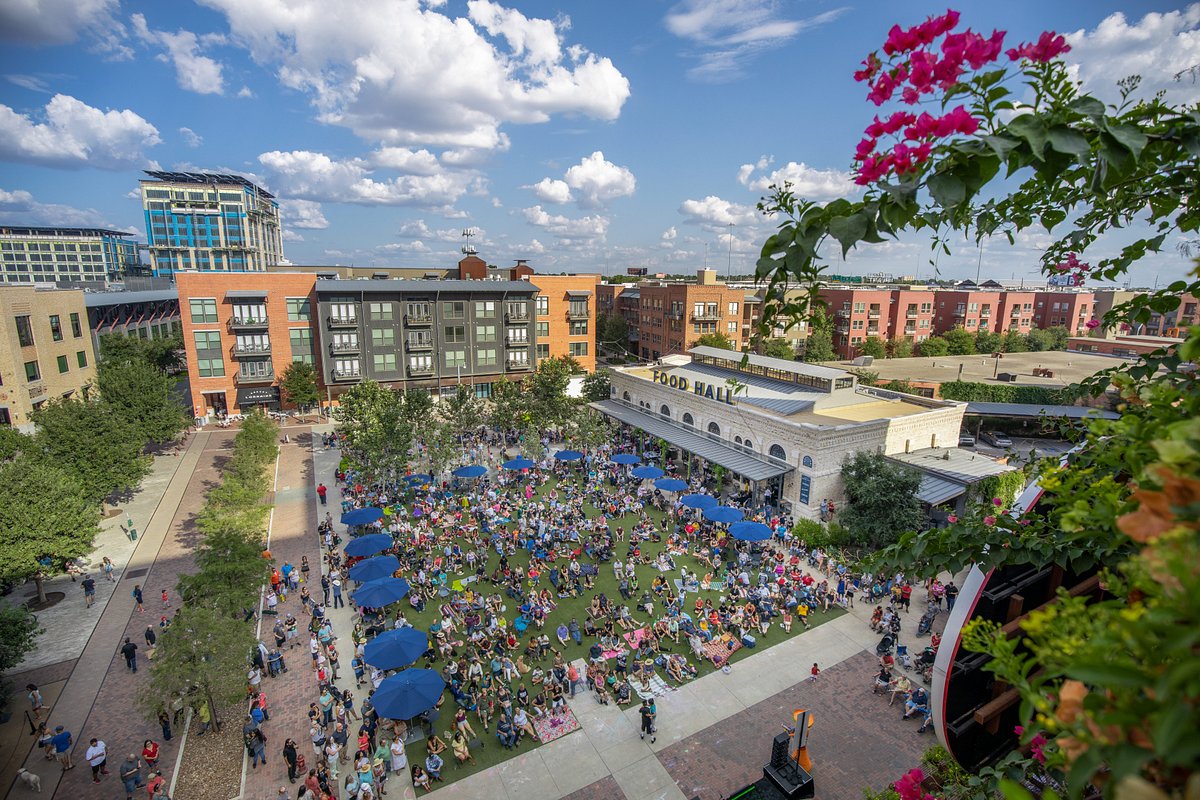
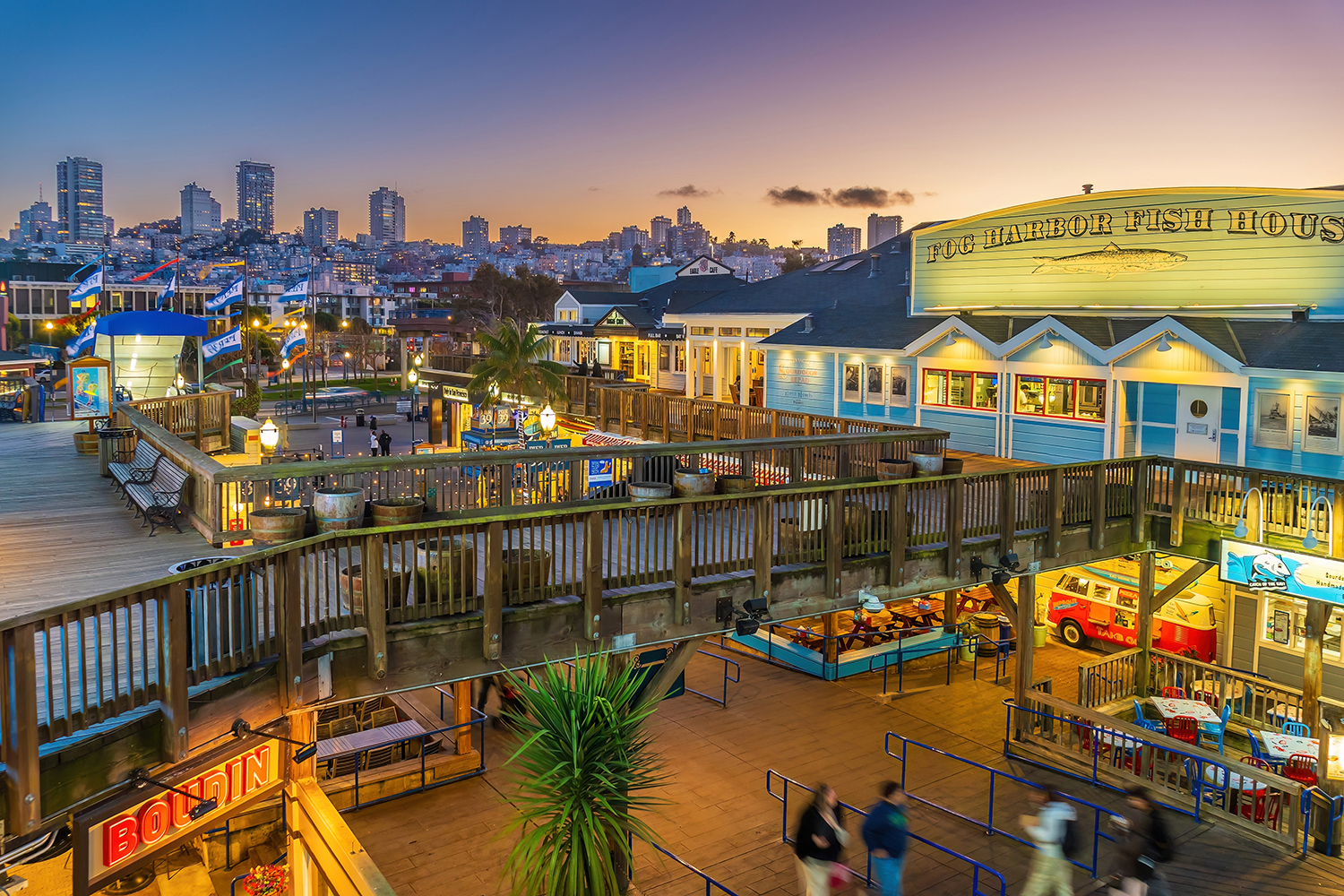
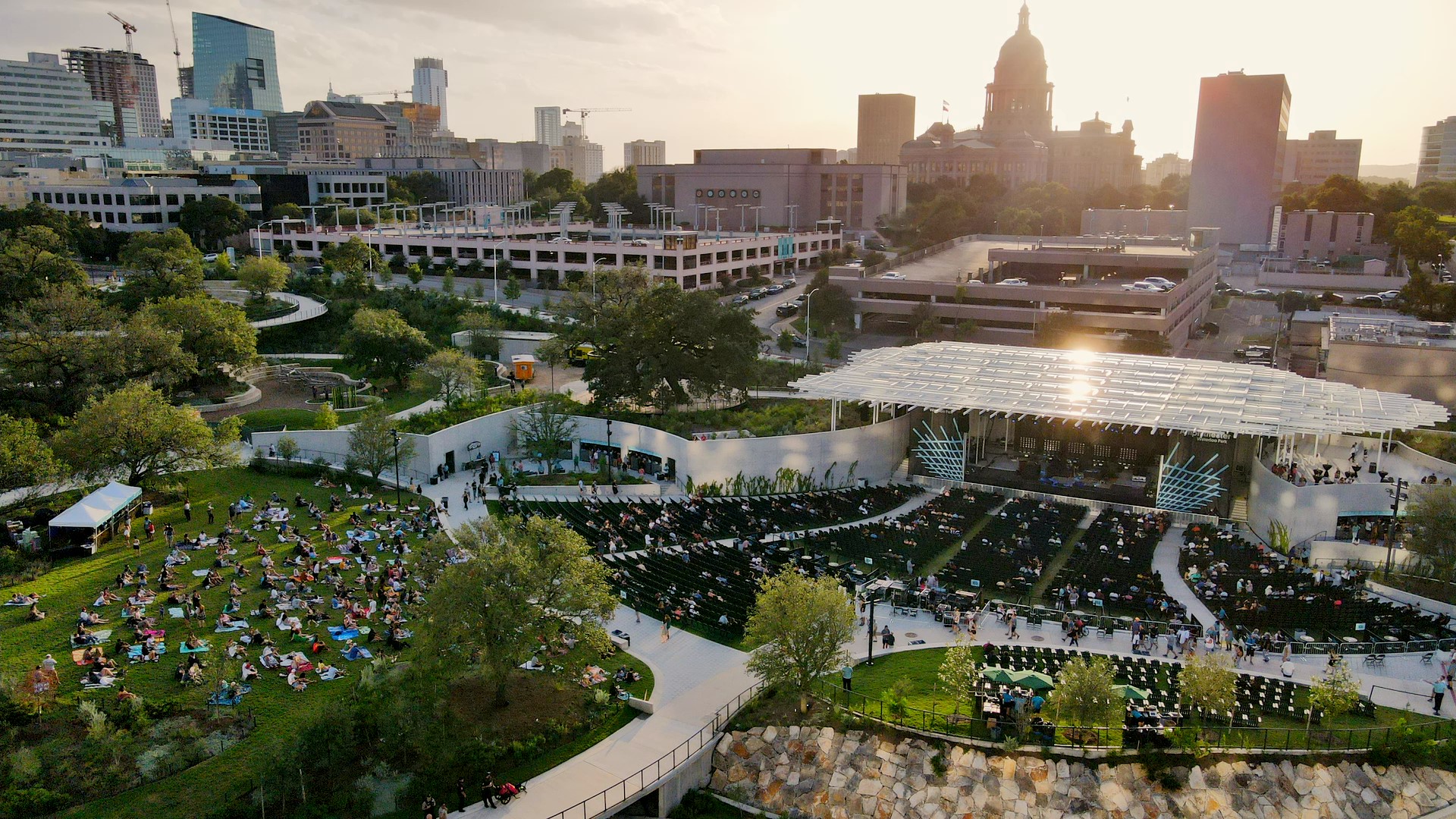
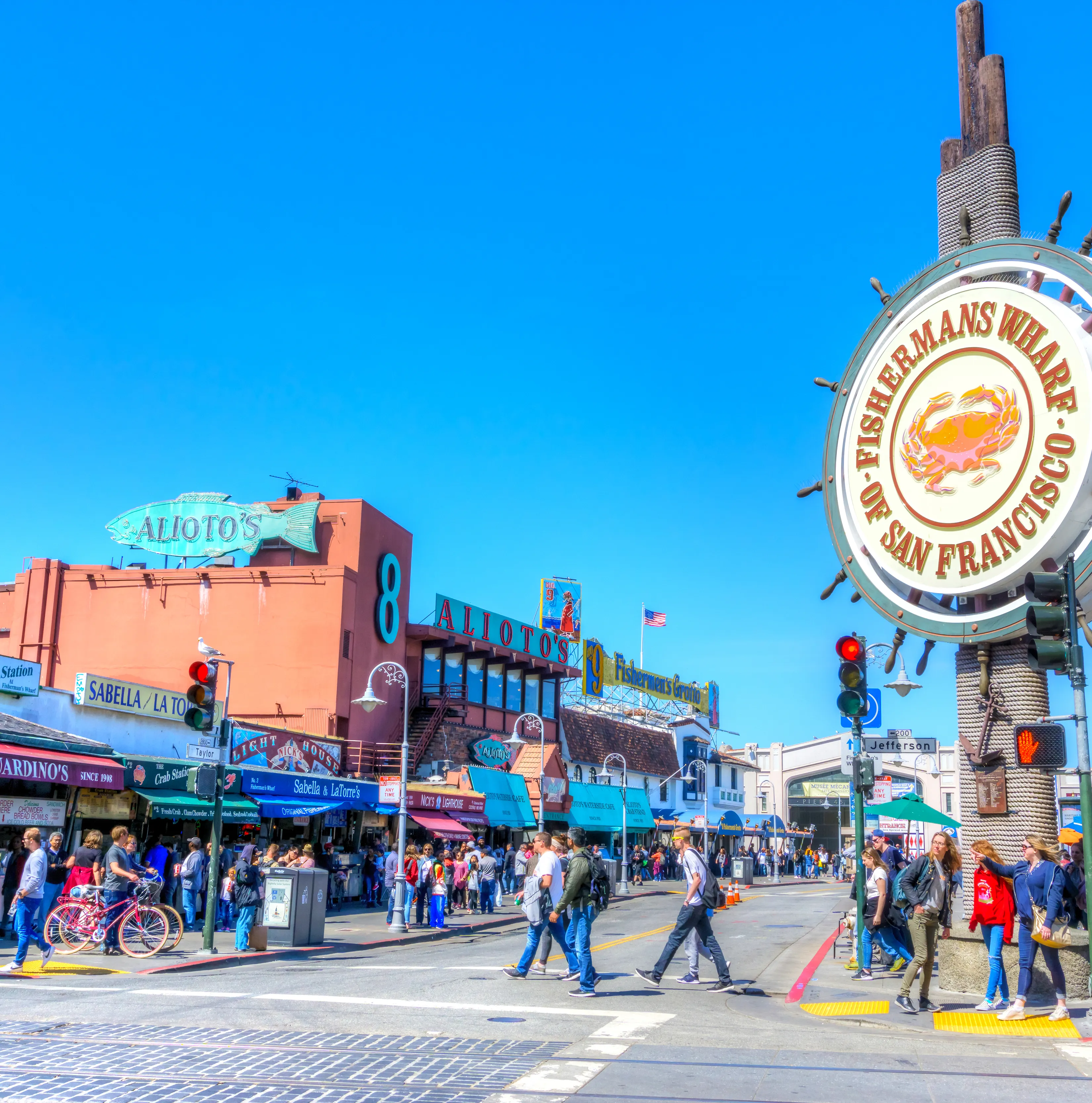
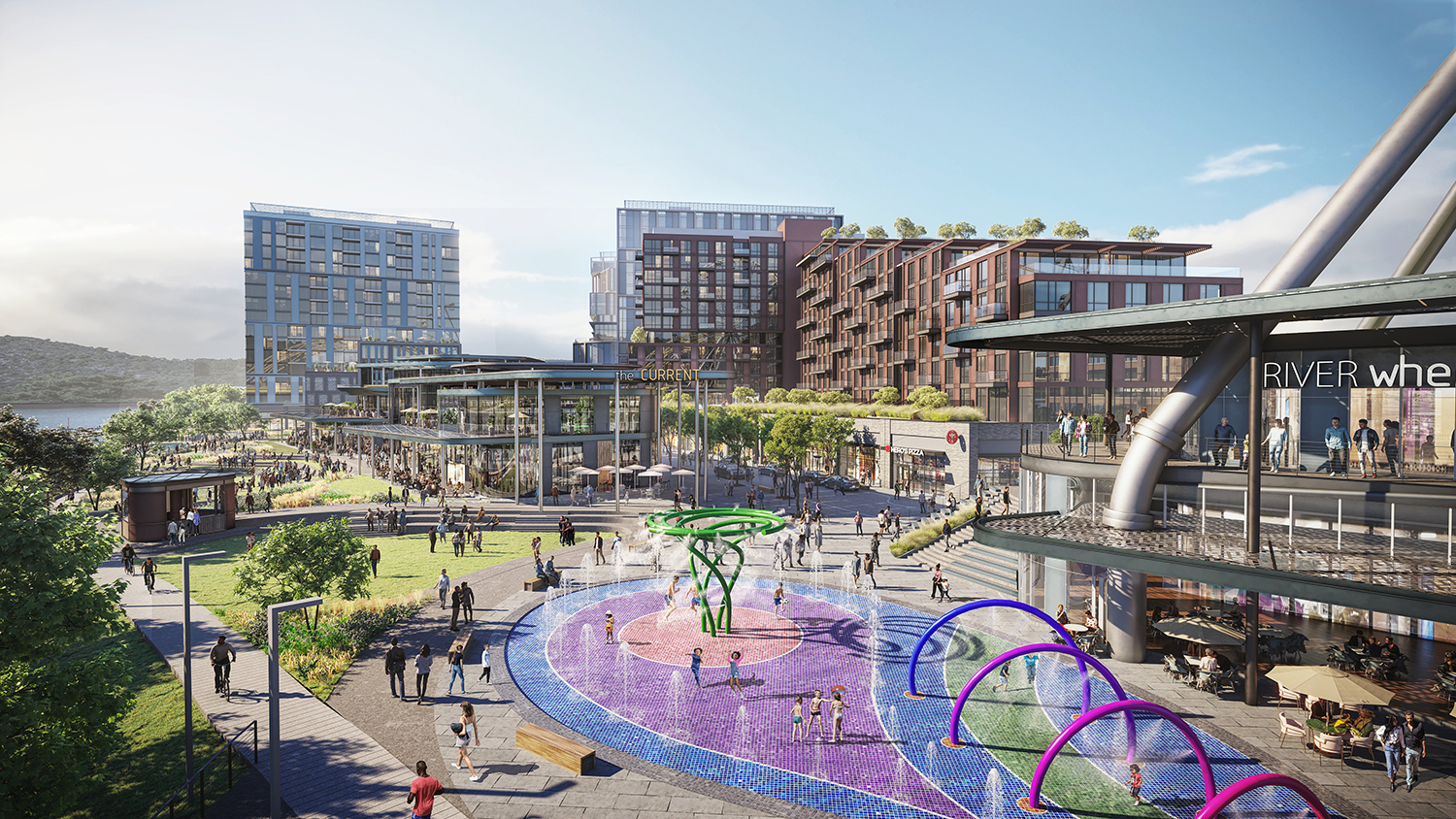
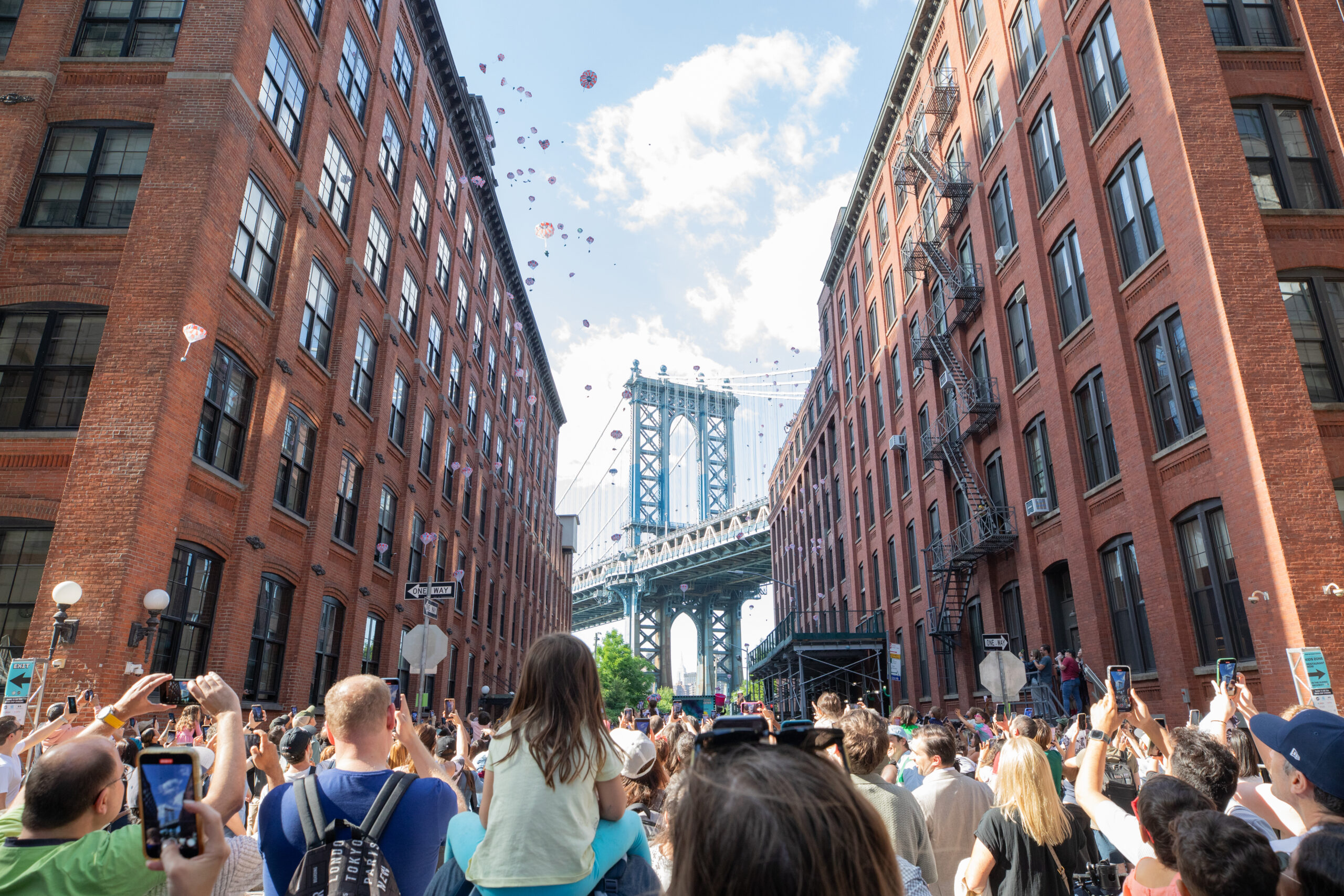
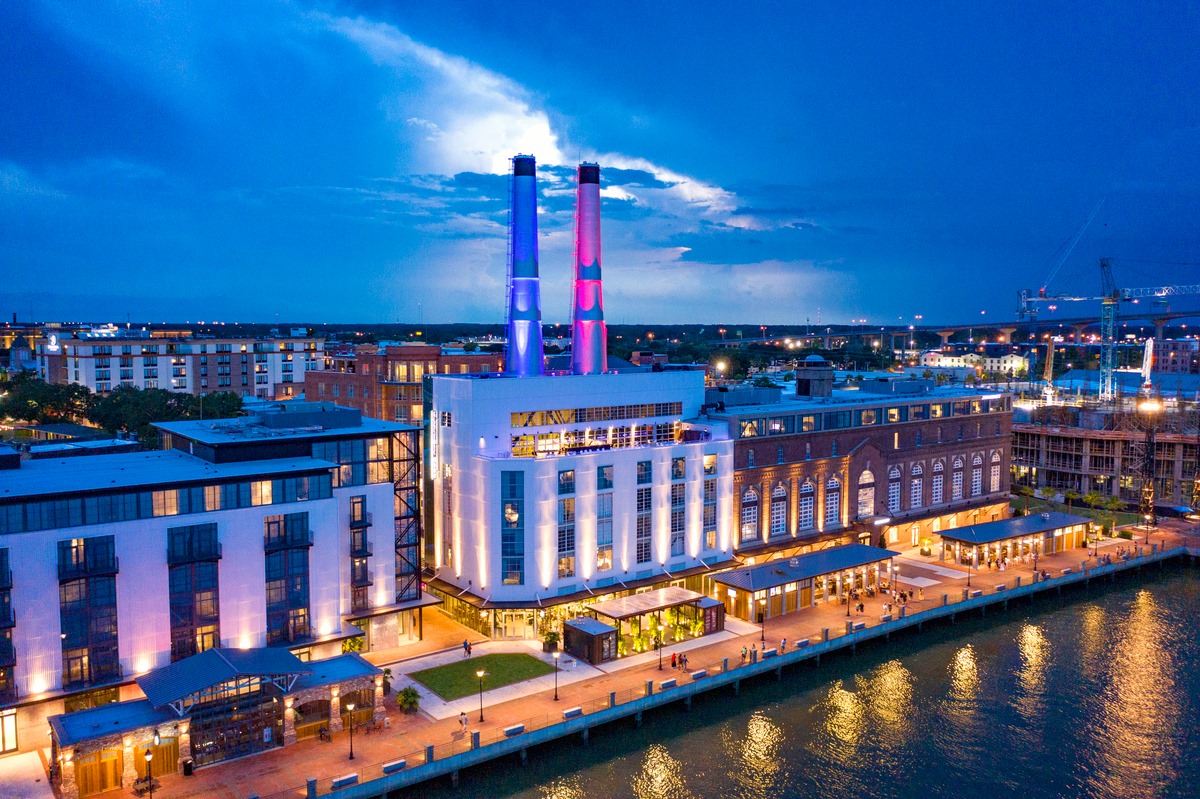
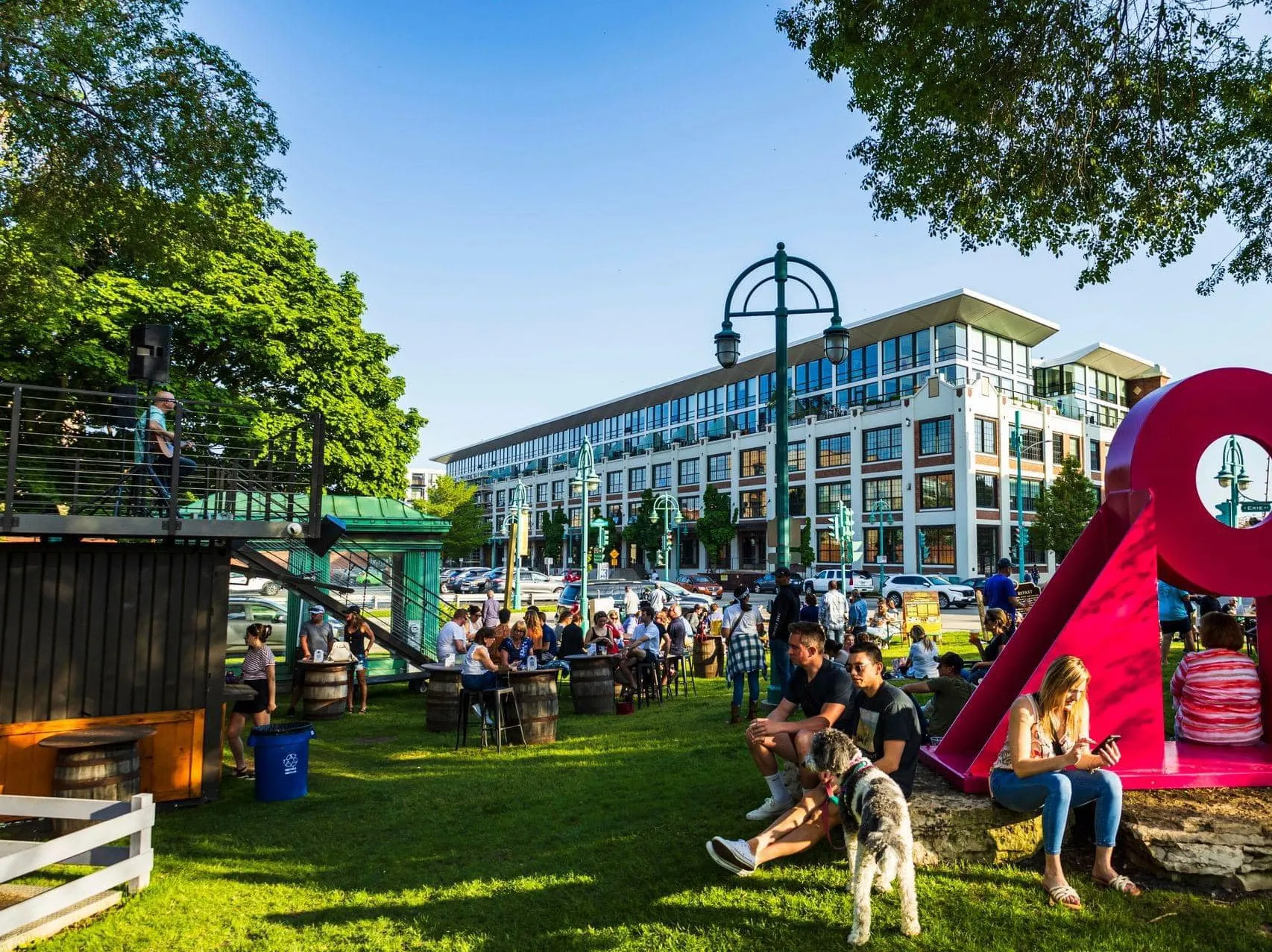
Across the country, waterfront neighborhoods have been transformed into everyday places where people live, play and gather. Waterfront districts in cities nationwide show how once‑industrial shorelines can become vibrant community assets with parks, promenades and mixed‑use neighborhoods, where bold design, year‑round programming and human‑scale experiences create welcoming spaces for everyone. Together, these examples underscore the potential for Detroit’s east riverfront to evolve into a vibrant neighborhood and shared front yard for the city.